Edge Computing & Serverless in 2026: Architectural Deep-Dive
Exploring V8 isolate runtimes vs traditional containers, eliminating cold starts, edge database topology, and global request routing mechanics.
Executive Summary & Key Takeaways
What is Edge Computing and How Does It Redefine Serverless?
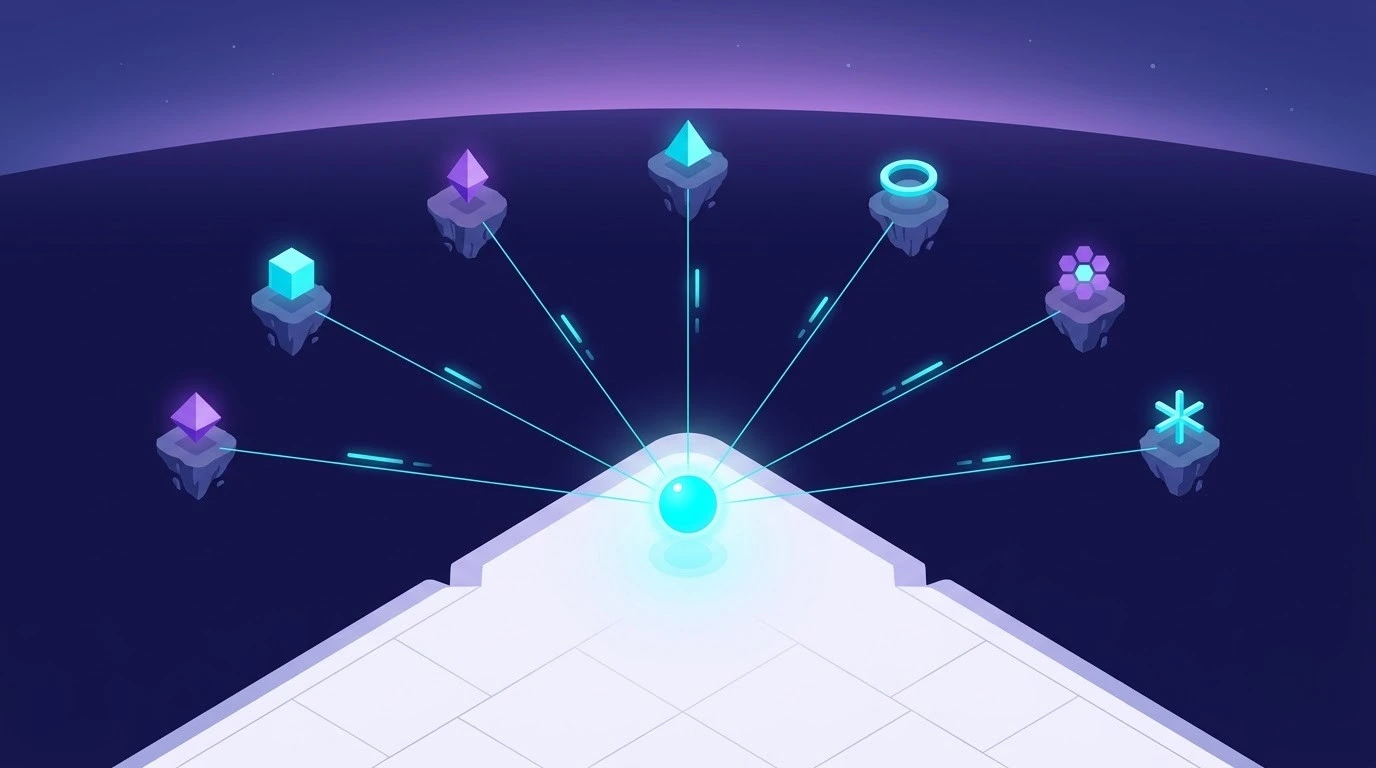
Edge Computing moves serverless execution out of centralized cloud data centers (likeus-east-1) and deploys code across hundreds of globally distributed edge data centers within milliseconds of end users. Powered by lightweight V8 JavaScript/Wasm Isolates rather than heavy Docker containers, edge runtimes start in less than 5ms (virtually 0ms cold start) and consume 90% less memory. Paired with globally replicated edge databases and state synchronization primitives, edge computing provides instant API responses and global fault tolerance.
       Traditional Centralized Cloud Architecture (High Latency)
User in Tokyo ────── (10,000 km / 220ms Transpacific Cable) ──────> AWS us-east-1 (Virginia)
                                 VS
       Edge Computing Distributed Topology (Sub-15ms Latency)
User in Tokyo ──> Tokyo Edge Node (5ms) ──> Instant Local Response & Edge DB Cache
1. Evolution of Cloud Compute: Monoliths to V8 Isolates
To understand edge computing, we must trace how cloud application hosting evolved over three decades:
+------------------+     +------------------+     +--------------------+     +-------------------+
| 1. Bare Metal    | ──> | 2. Virtual Machines| ──>| 3. Docker Containers| ──> | 4. V8 Isolates    |
| Dedicated Servers|     | AWS EC2 / Linux  |     | Kubernetes / ECS   |     | Edge Run Times    |
+------------------+     +------------------+     +--------------------+     +-------------------+
  Boot: Days               Boot: Minutes            Boot: Seconds              Boot: < 5ms
The Container Cold-Start Problem
Traditional serverless computing (such as AWS Lambda or Google Cloud Functions) relies on container virtualization:
- A request arrives for an idle serverless function.
- The cloud platform provisions a Linux container or micro-VM (Firecracker).
- The runtime loads the Node.js runtime environment and unpacks application dependencies.
- The application executes user code and returns a response.
Steps 2 and 3 create cold starts, adding 250ms to 2,000ms of latency to idle requests.
2. V8 Isolates: How Edge Runtimes Achieve 0ms Cold Starts
Edge runtimes (such as Cloudflare Workers, Fastly Compute@Edge, and Vercel Edge Functions) abandon Linux container virtualization entirely. Instead, they leverage the Chrome V8 JavaScript & WebAssembly Engine.
+-------------------------------------------------------------------+
|                     SINGLE OPERATING SYSTEM PROCESS               |
|                                                                   |
|   +-----------------------------------------------------------+   |
|   |                     Shared V8 Engine                      |   |
|   +-----------------------------------------------------------+   |
|                                                                   |
|   +-------------------+   +-------------------+   +-----------+   |
|   |   V8 Isolate 1    |   |   V8 Isolate 2    |   | V8 Isolate|   |
|   | (Tenant A Script) |   | (Tenant B Script) |   | (Tenant C)|   |
|   | Memory: ~3MB      |   | Memory: ~3MB      |   | Memory: 3M|   |
|   +-------------------+   +-------------------+   +-----------+   |
+-------------------------------------------------------------------+
Technical Benefits of V8 Isolates
- Lightweight Footprint: A full Linux container requires 100MB+ of RAM. A V8 Isolate consumes as little as 3MB of RAM.
- Instant Warm-Up: Spins up isolated execution environments in < 5 milliseconds.
- Multi-Tenant Security: Memory isolation is enforced by the V8 sandbox at the C++ process boundary, preventing tenant cross-talk without needing separate OS kernels.
3. Edge Database Architectures & Storage Topologies
Executing code near the user is ineffective if the function still blocks on a 200ms database query back to a centralized SQL database in Virginia. Edge architectures require specialized storage topologies.
                        Edge Storage Topology

+-------------------------------------------------------------------+
|                       Global Anycast Edge CDN                     |
|                                                                   |
|   +--------------------+     +--------------------+     +---------+
|   |   Edge KV Cache    |     |   Edge SQL (D1)    |     | Durable |
|   | (Sub-10ms Reads)   |     | (Read Replicas)    |     | Objects |
|   +--------------------+     +--------------------+     +---------+
+-------------------------------------------------------------------+
                                  │
                       Async Write Replication
                                  │
                                  v
                    +---------------------------+
                    | Centralized Storage Engine|
                    +---------------------------+
Storage Primitive Comparison
| Edge Storage Class | Latency Profile | Consistency Model | Primary Use Case |
|---|---|---|---|
| Global Key-Value (KV) | Reads < 15ms, Writes ~1s | Eventual Consistency | Static assets, user profiles, feature flags |
| Edge Relational (SQLite / D1) | Reads < 10ms, Writes ~100ms | Strong Consistency (Primary Node) | Blog posts, product catalogs, order history |
| Stateful Workers (Durable Objects) | Reads < 5ms, Writes < 10ms | Strongly Consistent Single Node | Real-time chat, collaborative documents, game rooms |
4. Code Sample: Native Edge Worker Script
Here is an edge function written using standard FetchEvent Web Standards:
// Production Edge API Worker Script
export default {
  async fetch(request: Request, env: Env, ctx: ExecutionContext): Promise<Response> {
    const url = new URL(request.url);

    // 1. Instant Cache Lookup at Edge
    const cacheKey = new Request(url.toString(), request);
    const cache = caches.default;
    let response = await cache.match(cacheKey);

    if (response) {
      return response;
    }

    // 2. Handle API Request
    if (url.pathname === '/api/v1/geolocation') {
      const country = request.cf?.country || 'Unknown';
      const city = request.cf?.city || 'Unknown';

      const payload = JSON.stringify({
        timestamp: Date.now(),
        clientLocation: { country, city },
        edgeDatacenter: request.cf?.colo || 'Unknown'
      });

      response = new Response(payload, {
        headers: {
          'Content-Type': 'application/json',
          'Cache-Control': 'public, max-age=60'
        }
      });

      // Cache response asynchronously at the edge
      ctx.waitUntil(cache.put(cacheKey, response.clone()));
      return response;
    }

    return new Response('Not Found', { status: 404 });
  }
};
5. Architectural Tradeoffs: When NOT to Use Edge Functions
While edge computing excels at latency-sensitive operations, it is not a universal replacement for standard cloud servers.
Constraints of Edge Runtimes
- No Native Node.js C++ Addons: Edge runtimes do not support native C++ binaries (e.g.,
canvas,image-magick). - CPU Execution Time Limits: Most edge providers enforce a 50ms CPU time limit per invocation to maintain multi-tenant fairness. Heavy CPU workloads (video rendering, large machine learning model inference) belong on dedicated cloud instances or GPU clusters.
- Database Connection Limits: Opening thousands of direct TCP socket connections to legacy Postgres databases from ephemeral edge nodes can exhaust connection pools. Edge functions require HTTP-based database proxies or serverless-ready connections.
Frequently Asked Questions (FAQ)
What is the difference between an Edge Worker and a CDN?
A traditional CDN only caches static file assets (images, CSS, JS) at edge locations. An Edge Worker allows you to execute custom server-side JavaScript, TypeScript, or WebAssembly logic at those edge locations dynamically.
How does global request routing find the closest edge server?
Edge networks use Anycast BGP Routing. Multiple edge data centers advertise the exact same IP address to global internet service providers (ISPs). Routers automatically send the user’s network packets to the physically and topologically closest data center.
Related Articles

Building a Zero-Cost Static Blog with Astro & Cloudflare Pages
Step-by-step architectural guide to deploying a high-performance, globally distributed static blog on Cloudflare Pages with static search and automated CI/CD deployment.

Mastering Tailwind CSS v4: The Complete Modern Guide for 2026
Exploring the new Rust Oxide engine, CSS-first @theme configuration, native container queries, color-mix functions, and migration strategies from v3.

The 2026 State of Micro-Frontends: When to Build, Split, or Avoid
Evaluating Module Federation 2.0, Web Components, build-time vs runtime integration, team autonomy, performance overhead, and anti-patterns.